Shop
Showing 721–740 of 1029 results
-
Laboratory Equipment
Microscope Condenser
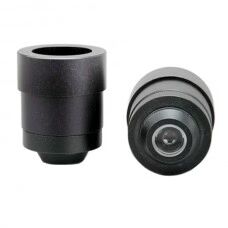
Condenser Lens: The purpose of the condenser lens is to focus the light onto the specimen. Condenser lenses are most useful at the highest powers (400x and above). Microscopes with a stage condenser lens render a sharper image than those with no lens (at 400x). … The Abbe condenser lens can be moved up and down.SKU: n/a -
Laboratory Equipment
Microscope Eye Piece
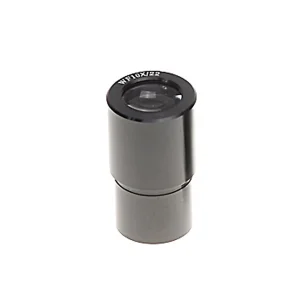
An eyepiece, or ocular lens, is a type of lens that is attached to a variety of optical devices such as telescopes and microscopes. It is so named because it is usually the lens that is closest to the eye when someone looks through the device. … The amount of magnification depends on the focal length of the eyepiece.SKU: n/a -
Laboratory Equipment
Microscope Labex 107
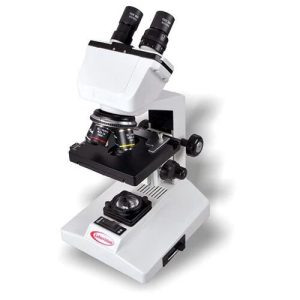
The definition of a microscope is an instrument with lenses which is used to make really small objects look bigger by magnifying them. The tool used by scientists to look at really small bacteria that they need to magnify is an example of a microscope.SKU: n/a -
Laboratory Equipment
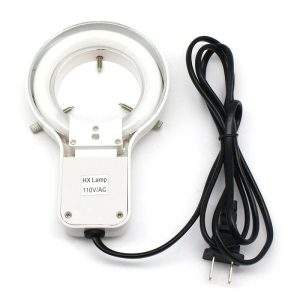
Microscope Lamp
Illuminator is the light source for a microscope, typically located in the base of the microscope. Most light microscopes use low voltage, halogen bulbs with continuous variable lighting control located within the base. Condenser is used to collect and focus the light from the illuminator on to the specimen.SKU: n/a -
Laboratory Equipment
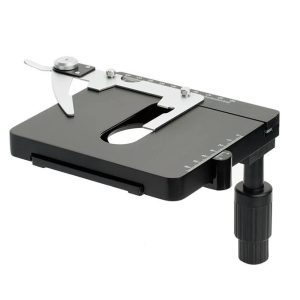
Microscope Mechanical Stage
A mechanical stage of a microscope refers to the mechanism that has been mounted on the stage for holding and moving the microscope slide. … It allows for precise movement of the specimen through the field of view, which is that area of specimen visible through the microscope.SKU: n/a -
Laboratory Equipment
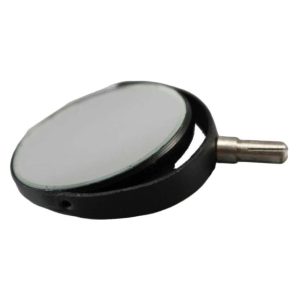
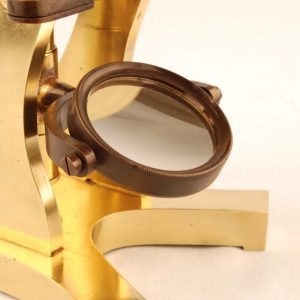
Microscope Mirror
Mirror: Allows you to direct ambient light up through the hole in the stage and illuminate the specimen without electricity. Mirrors are not commonly sold on microscopes anymore. Monocular Head: A microscope head with a single eyepiece lens. Objective Lens: The lens closest to the object.SKU: n/a -
Laboratory Equipment
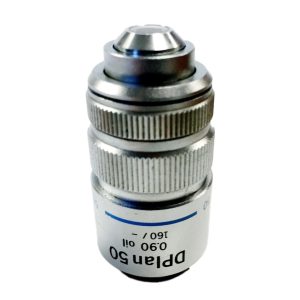
Microscope Objective
Base: The bottom of the microscope, used for support. … Objective Lenses: Usually you will find 3 or 4 objective lenses on a microscope. They almost always consist of 4x, 10x, 40x and 100x powers. When coupled with a 10x (most common) eyepiece lens, we get total magnification of 40x (4x times 10x), 100x, 400x, and 1000x.SKU: n/a -
Laboratory Equipment
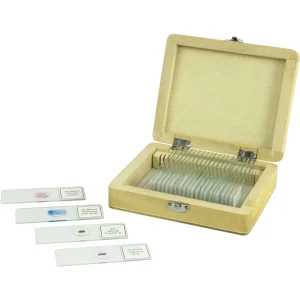
Microscope Slides
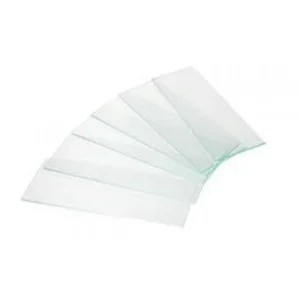
A microscope slide is a thin flat piece of glass, typically 75 by 26 mm (3 by 1 inches) and about 1 mm thick, used to hold objects for examination under a microscope. Typically the object is mounted (secured) on the slide, and then both are inserted together in the microscope for viewing.SKU: n/a -
Laboratory Equipment
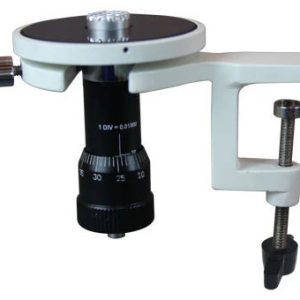
Microtome Hand Type
Microtome. A microtome (from the Greek mikros, meaning “small”, and temnein, meaning “to cut”) is a tool used to cut extremely thin slices of material, known as sections. … Microtome sections can be made thin enough to section a human hair across its breadth, with section thickness between 50 nm and 100 µm.SKU: n/a -
Chemicals
Millon’s Reagent
Millon’s reagent is an analytical reagent used to detect the presence of soluble proteins. A few drops of the reagent are added to the test solution, which is then heated gently. A reddish-brown coloration or precipitate indicates the presence of tyrosine residue which occur in nearly all proteins.
SKU: n/a -
Laboratory Equipment
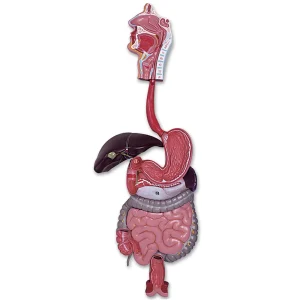
Model (Brain, Ear,Eye,Kidney,Teeth,Heart)
Integrating a life size human torso anatomy model into the patient education process provides the patient with a clearer understanding of the human body and the anatomical structure. Anatomical models are a valuable teaching tool to help demonstrate the various parts of the human body and internal organs.SKU: n/a -
Glassware
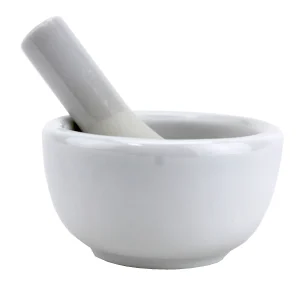
Mortar And Pestle
Mortar and pestle are implements used since ancient times to prepare ingredients or substances by crushing and grinding them into a fine paste or powder in the kitchen, laboratory, and pharmacy. The mortar is a bowl, typically made of hard wood, metal, ceramic, or hard stone, such as granite.
SKU: n/a